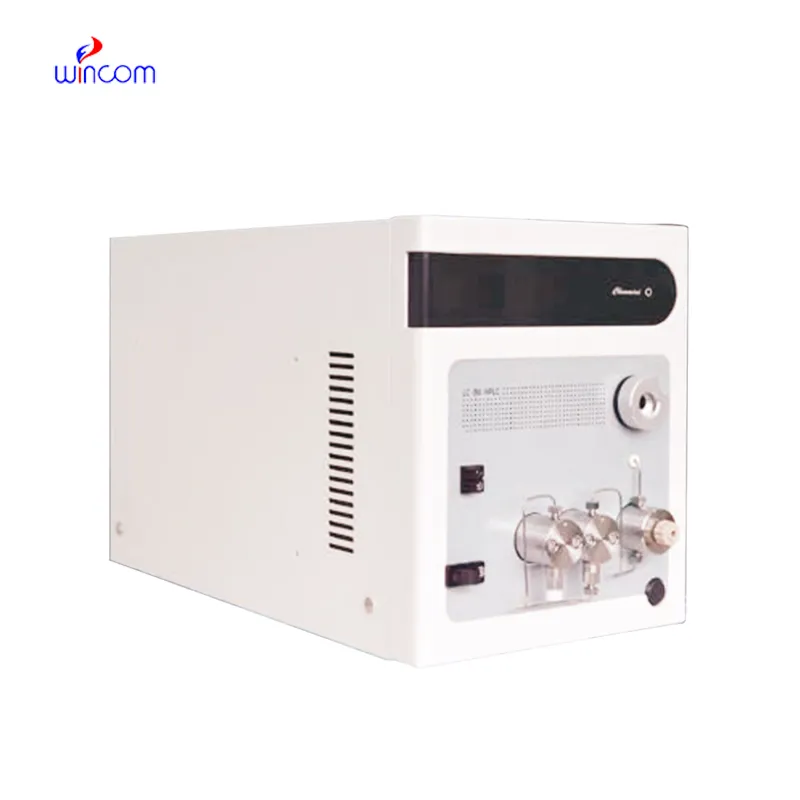
hplc detector is a critical technique to obtain analytical information in studies of medicines, clinical samples, and biochemistry. It isolates compounds according to their chemical characteristics, generating reproducible analytical results. Laboratory scientists use hplc detector to perform drug stability tests, monitor patient biomarkers, and find impurities. Its very high accuracy and flexibility allow thorough sample analysis in research, hospital, and clinical laboratory environments, thus becoming a fundamental device for assuring precision in both experimental and diagnostic results.

Biochemical and clinical laboratories use hplc detector to examine plasma or serum metabolites for disease research. It isolates and measures the amounts of small molecules participating in metabolism thus shedding light on patient conditions. The method is commonly employed in metabolic studies and experimental clinical trials conducted in hospitals.
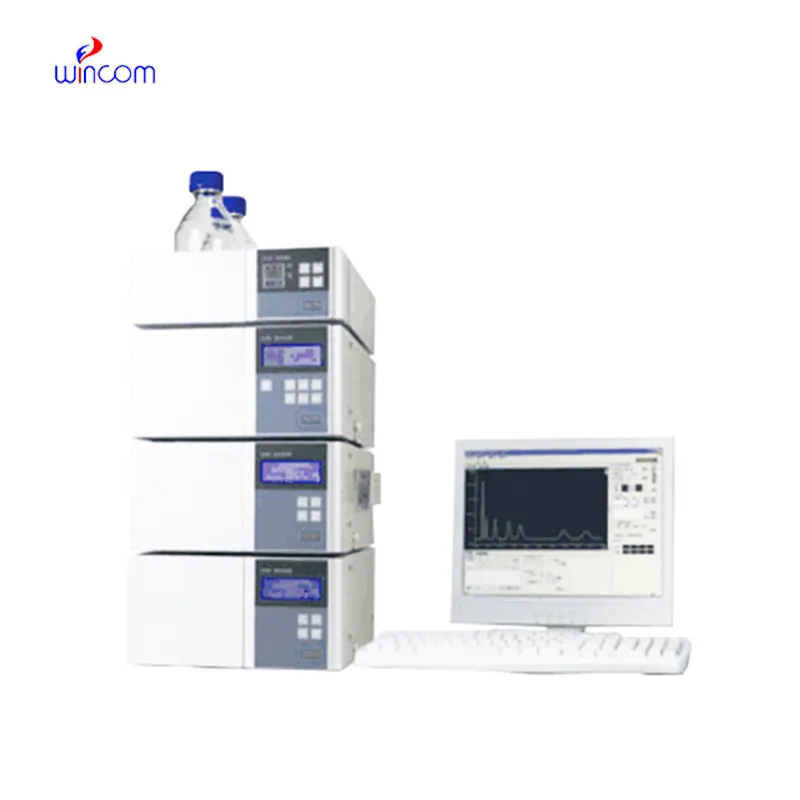
The hplc detector scenario predicted for hospital labs is all about the automated sample handling systems and the digital data analysis. Cutting-edge detectors along with AI-based interpretation are going to double the accuracy and the amount of the processed samples. All this will lead to major hospitals using hplc detector more and more for fast testing of patients, monitoring of treatments, and, with the help of research, unlocking the potential of their individual patients thus making medicine less and lab work more efficient.
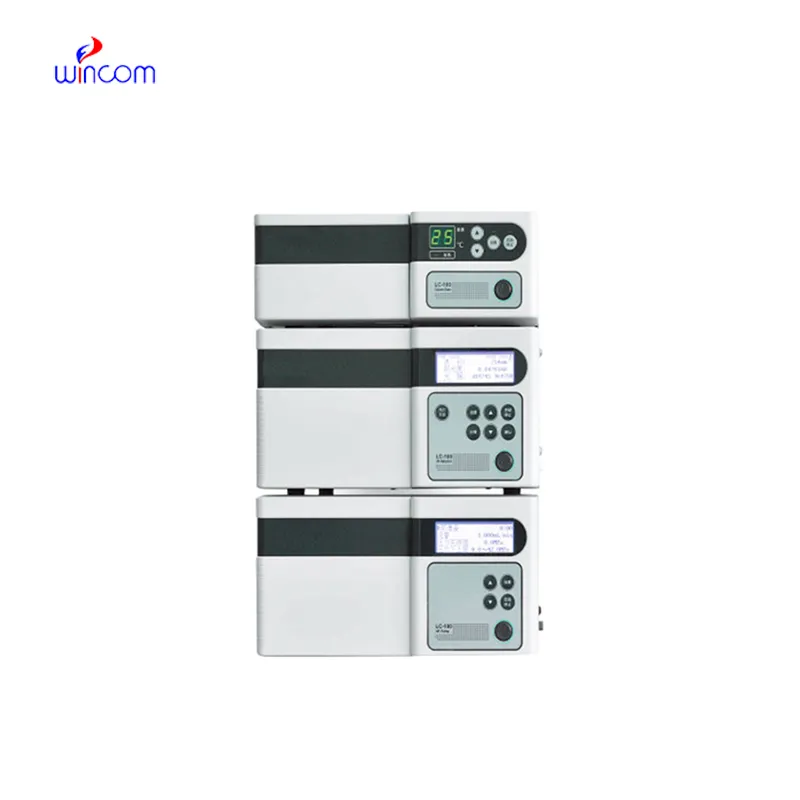
hplc detector proper care makes sure that hospital laboratories get reliable performance every time. Regular column flushing, taking care of pump and seal inspections, and using appropriate solvents are some of the measures that will keep the damage at bay and the separation efficiency high. Scheduled maintenance, system pressure control, and detector cleaning should be done by laboratory technicians to have longer instruments lifespan. Proper upkeep leads to less downtime and provides same quality analytical results in all clinical and research applications.
hplc detector is commonly employed in laboratories to separate, identify, and quantify chemical compounds. The sample mixture is put through the columns along with the stationary phases and the different components interact with the stationary phase, thus the separation is done accurately. This process not only gives high resolution but also reproducibility thus it is a must-have tool for the research works in the area of drugs, pollution, and food control. Subsequently, when coupled with sensitive detectors, hplc detector facilitates the precise measurement of minor concentrations. The method versatility produces so much that it has become a necessity in a routine analysis and complex research applications where it is positioned as an essential instrument in contemporary analytical chemistry and experimental workflows.
Q: What types of HPLC columns are available? A: Reversed-phase, normal-phase, ion-exchange, and size-exclusion columns are the main types of columns used according to the nature of the analytes. Q: Can multiple samples be analyzed simultaneously? A: Yes, in high-throughput systems, automated sample injection and sequential analysis are among the techniques to achieve this. Q: How does temperature affect HPLC performance? A: Temperature changes can cause variations in separation efficiency and retention times; however, the majority of labs make use of precise temperature control. Q: Can HPLC be integrated with data software? A: Sure, it can be linked with laboratory software for data collection, processing, and reporting. Q: What types of laboratories use HPLC? A: HPLC is employed by hospitals, pharmaceuticals, biochemistry research, and environmental testing labs.
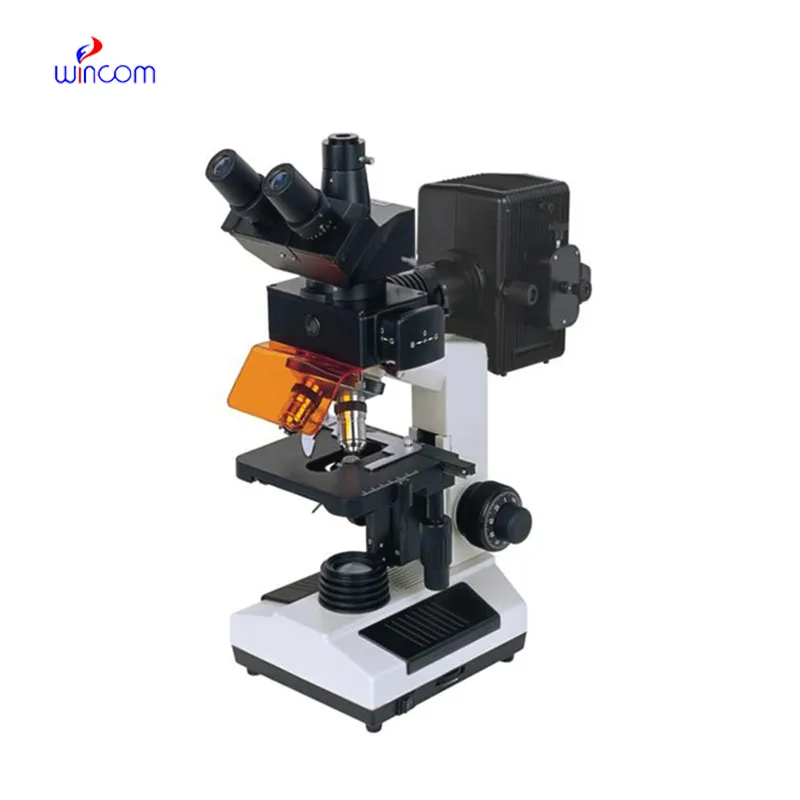
I’ve used several microscopes before, but this one stands out for its sturdy design and smooth magnification control.
The water bath performs consistently and maintains a stable temperature even during long experiments. It’s reliable and easy to operate.
To protect the privacy of our buyers, only public service email domains like Gmail, Yahoo, and MSN will be displayed. Additionally, only a limited portion of the inquiry content will be shown.
Could you please provide more information about your microscope range? I’d like to know the magnif...
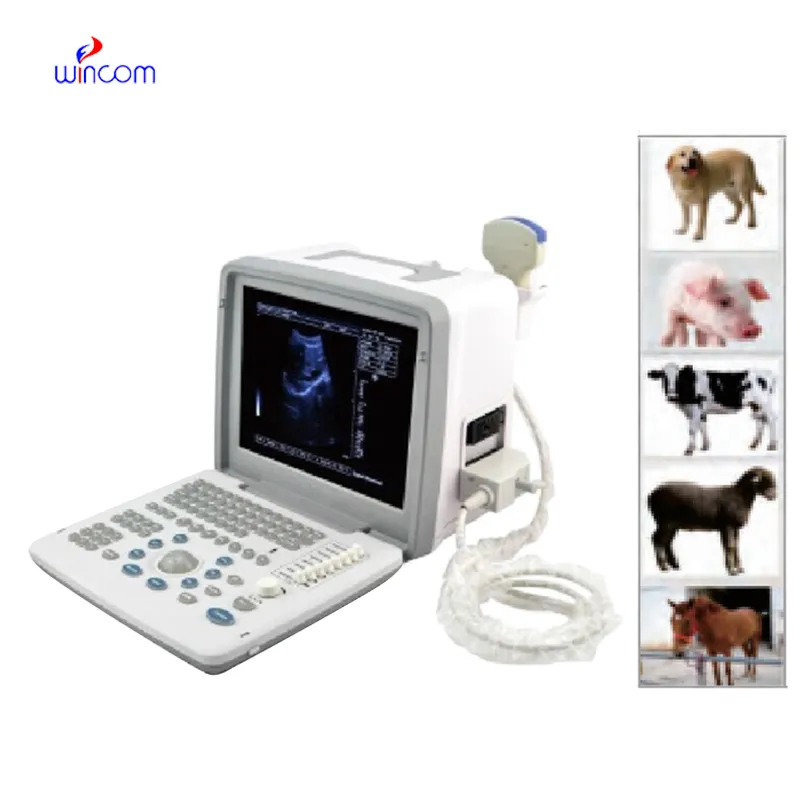
We’re currently sourcing an ultrasound scanner for hospital use. Please send product specification...
E-mail: [email protected]
Tel: +86-731-84176622
+86-731-84136655
Address: Rm.1507,Xinsancheng Plaza. No.58, Renmin Road(E),Changsha,Hunan,China


 EN
 af
 es
 ar
 tr
 sw
 pt
 th
 ur
 bn
 ne
 vi
 km
 lo
 de
 ru
 fi
 nl
 fa
 fr
 ko