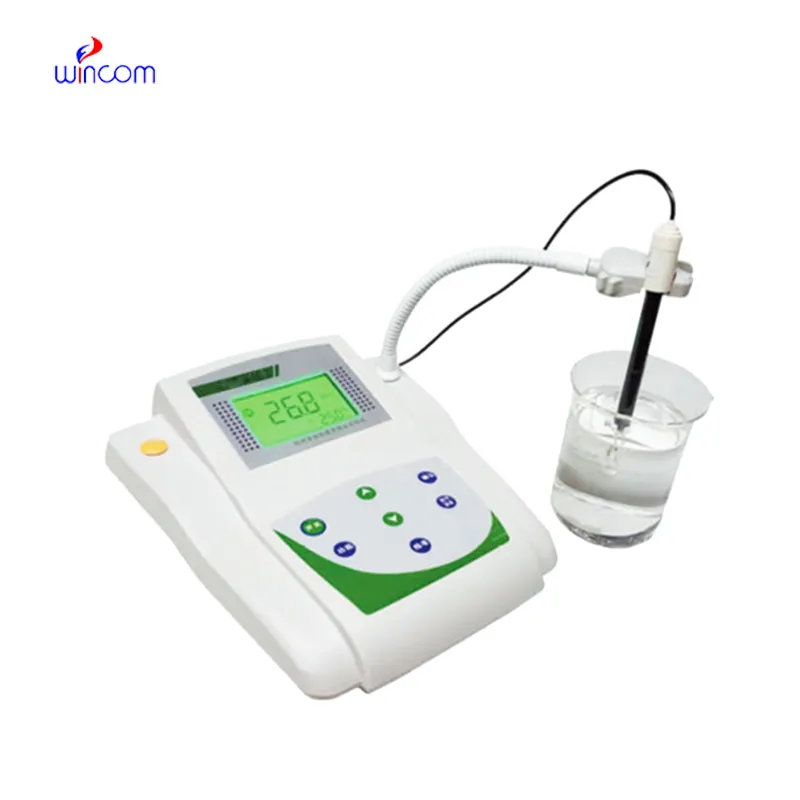
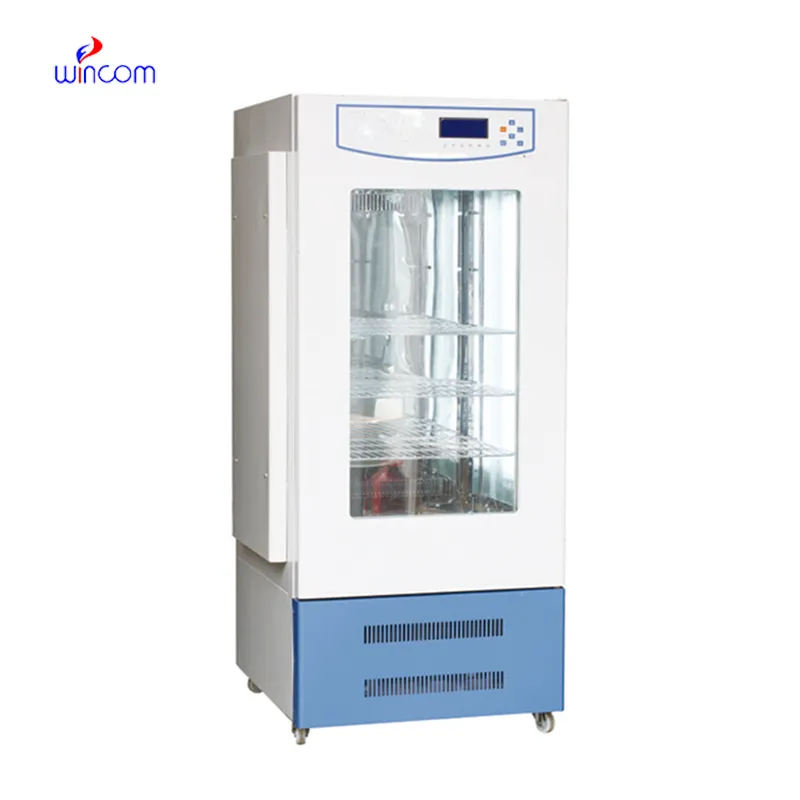
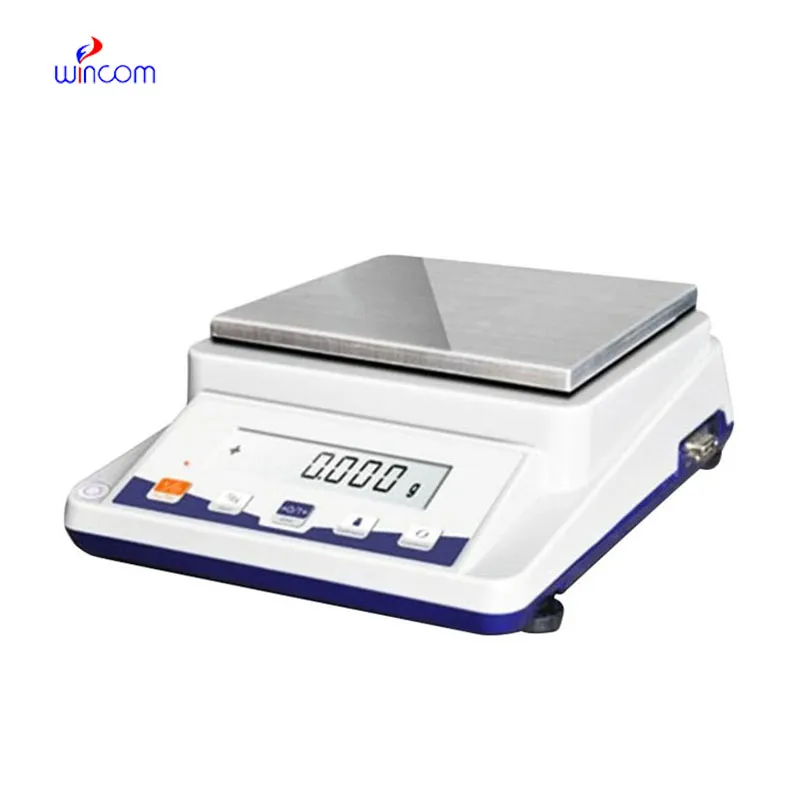
In clinical and laboratory settings, icu patient monitoring is a primary tool for monitoring cardiac activity and vital signs. The device presents the ECG waveform very lucidly, which helps thorough patient assessment. Its stable functioning and organized data output have made it appropriate for daily operation in hospital wards where constant and accurate monitoring is necessary for patient care and clinical records.

icu patient monitoring helps in the non-stop monitoring of patients during their transport in hospital units. ECG and vital sign data are still visible when moving from one department to another. This technique increases the care continuity and diminishes the monitoring breaks during transfers in the hospital systems.
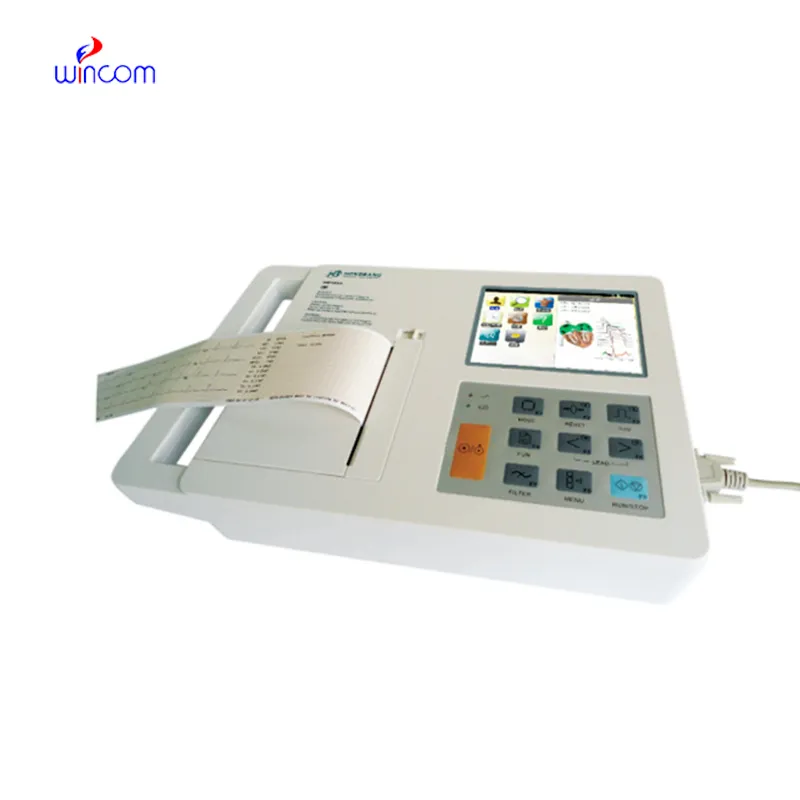
Eventually, icu patient monitoring will be considered as a vital part of integrated patient management platforms in the long run. The ongoing ECG data will play a major role in forming all-inclusive physiological profiles that will aid in the great collaboration of medical practitioners. This change will reinforce patient monitoring methods in the current healthcare systems.
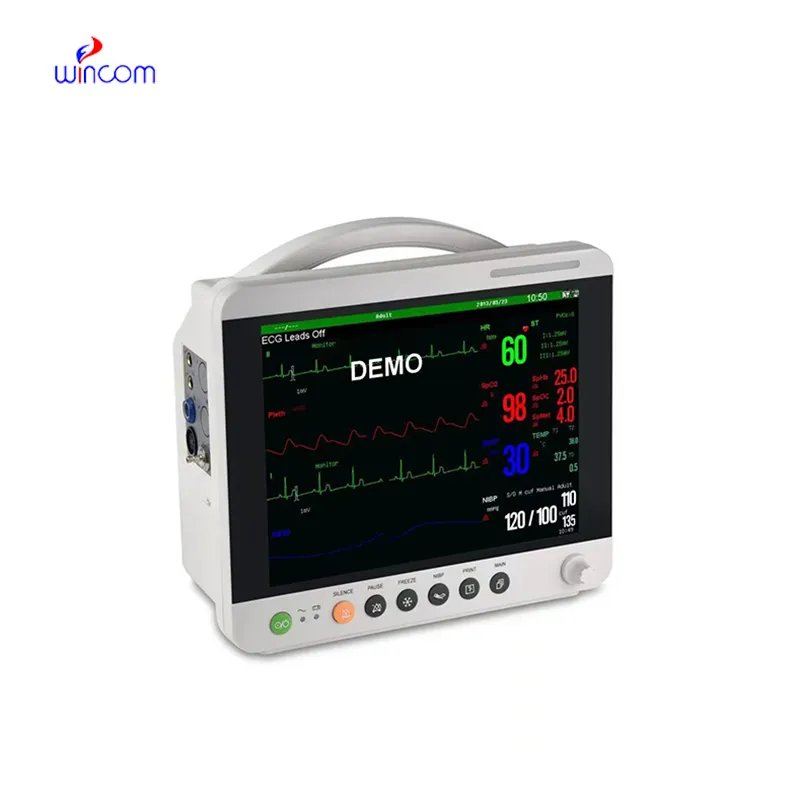
To prevent cross-contamination in hospital laboratories, icu patient monitoring are to be cleaned and sterilized after every single patient use. The detection of possible signal loss is done through the regular inspection of ECG sensors, cable insulations, and connectors. Hospital information systems' compatibility is ensured by the regular update of monitoring device software. The reliability of monitoring in critical care units and research laboratory applications is guaranteed through the validation of ECG and vital sign readings accuracy by routine performance checks.
In hospital patient care areas and emergency rooms, icu patient monitoring is a common practice for quick patient evaluation. Constant ECG monitoring enables medical personnel to see variations in heart rhythm simultaneously. Such a feature is vital in critical care, post-surgery monitoring, and everyday patient observation. The use of icu patient monitoring in hospital processes increases medical awareness and facilitates prompt decision-making in all nursing care areas.
Q: What are the different kinds of signals that a Patient Monitor & ECG can identify? A: It identifies electrical cardiac signals, heart rate, arrhythmias, and often additional vital signs. Q: In what way does a Patient Monitor & ECG facilitate surgical interventions? A: It guarantees uninterrupted monitoring of the heart's activity during anesthesia and surgery. Q: Should one undergo training in order to use the Patient Monitor & ECG device? A: A very basic training course will make sure the ECG waveforms are interpreted correctly and the device is handled well. Q: Is there a possibility to connect it with hospital information systems? A: Yes, quite a number of models provide the possibility of connecting for the purpose of centralized data monitoring and analysis. Q: What is the maximum duration for which a Patient Monitor & ECG can be used without stopping? A: Generally, the manufacturers of the most devices design them to be used for the long term with the right maintenance and power management.
We’ve used this centrifuge for several months now, and it has performed consistently well. The speed control and balance are excellent.
The centrifuge operates quietly and efficiently. It’s compact but surprisingly powerful, making it perfect for daily lab use.
To protect the privacy of our buyers, only public service email domains like Gmail, Yahoo, and MSN will be displayed. Additionally, only a limited portion of the inquiry content will be shown.
We are planning to upgrade our imaging department and would like more information on your mri machin...
We’re looking for a reliable centrifuge for clinical testing. Can you share the technical specific...
E-mail: [email protected]
Tel: +86-731-84176622
+86-731-84136655
Address: Rm.1507,Xinsancheng Plaza. No.58, Renmin Road(E),Changsha,Hunan,China


 EN
 af
 es
 ar
 tr
 sw
 pt
 th
 ur
 bn
 ne
 vi
 km
 lo
 de
 ru
 fi
 nl
 fa
 fr
 ko