stationary oxygen concentrator uses state-of-the-art filtration and concentration technology to provide medical-grade oxygen. Its airtight mechanism acts as a barrier against the pollutants that typically invade the hospital environment and damage non-filtered components. The output of the device can be modified by the medical personnel according to the precise needs of the patient. The unit is made for daily distribution of oxygen to patients, hence it is an effective support of consistent respiratory assistance. All these factors make stationary oxygen concentrator a major player in the process of managing oxygen in hospitals.

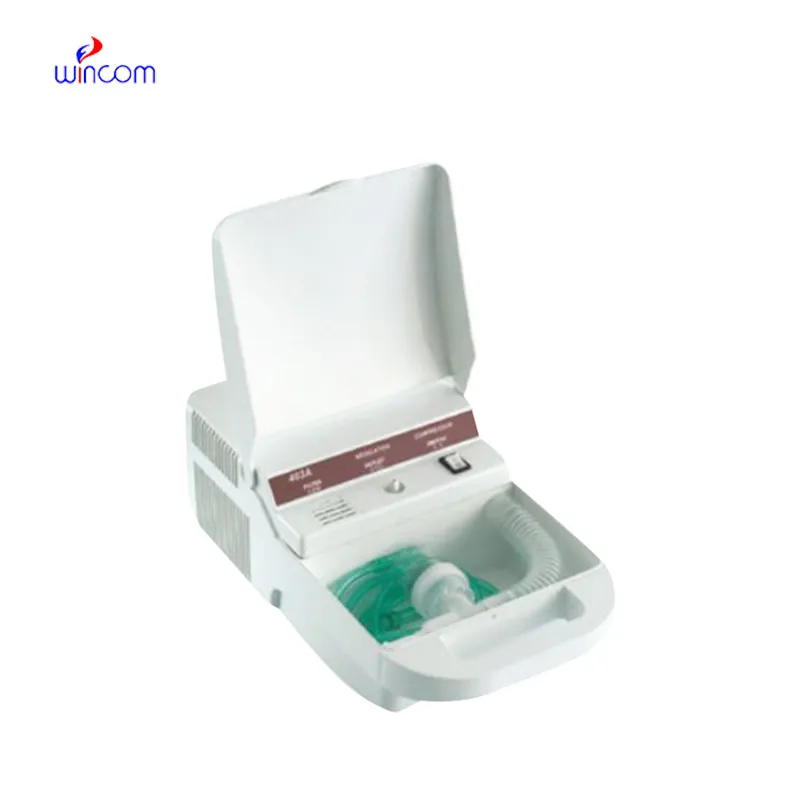
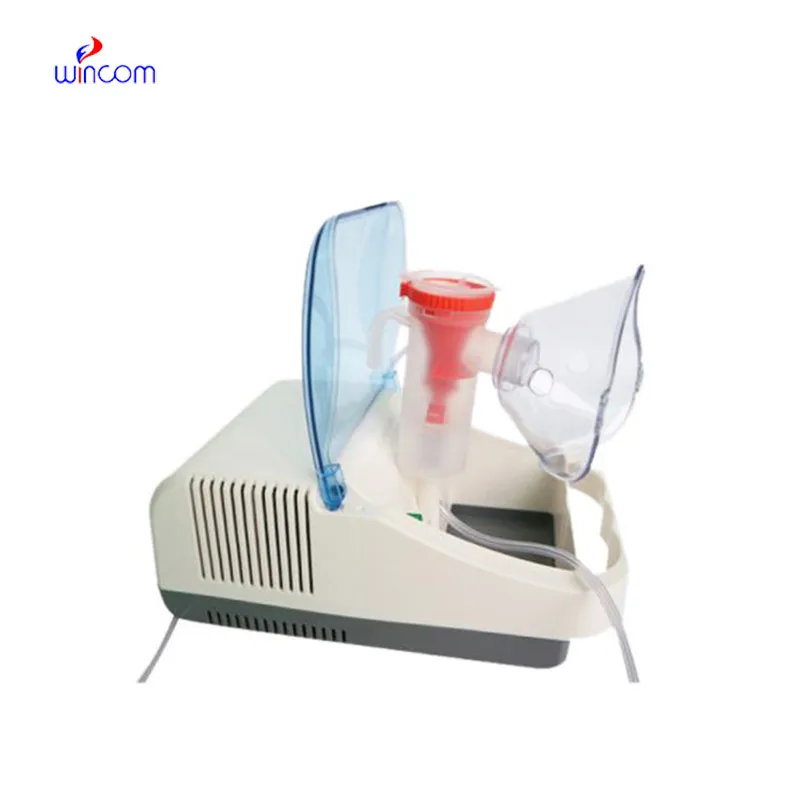
stationary oxygen concentrator is utilized in standard hospital wards as a device to support the patients needing oxygen therapy either constantly or intermittently. The medical personnel use the machine for securing proper oxygen saturation levels while the patient is undergoing regular treatments and check-ups. The device's continuous output allows the patient to get uninterrupted oxygen supply all day long. The device has different flow settings which facilitate the making of personalized care plans. In congested ward settings, stationary oxygen concentrator contributes to the reduction of the use of oxygen cylinders while at the same time providing dependable respiratory support to patients who stay in the hospital for a longer period of time.
It is possible that the future advancements of stationary oxygen concentrator will consist of better toughness that will be for the entire hospital use. The materials and the inner working systems can be adjusted to the point where they can endure more extended operating hours and still have a very little performance variation. This will be great for the department that requires a lot of supplies, like ICU. A stable and long-lasting operation translates into a reduction of downtime and maintenance. Hospitals will have to depend on oxygen concentrator models that are more durable as their patient intakes grow.
The stationary oxygen concentrator care process is significant in that it includes filter replacement at the intervals specified by the manufacturer as a standard procedure. Oxygen purity and device performance are both compromised by clogged or old filters. The staff, in addition, should check tubing connections, valves, and flow meters to verify that the delivery is stable. Listening to operational sounds can also be a way of detecting mechanical problems early. Maintenance activity documentation is a requirement for hospital safety audits and compliance. Clinical teams performing these tasks regularly can retain the stationary oxygen concentrator utmost performance, thus, guaranteeing patients' safety and reliable oxygen therapy in hospital and laboratory environments.
The stationary oxygen concentrator device is helpful in pediatric units for the administration of oxygen therapy adjusted to the needs of little patients. Children suffering from respiratory infections or having congenital diseases are often in need of exact oxygen support. The apparatus permits the controlled modification of oxygen flow corresponding to the clinical requirement. Its silent functioning aids in the creation of a soothing atmosphere suitable for the treatment of children. stationary oxygen concentrator guarantees safe therapy in the specialized hospital wards by providing soft and stable oxygen delivery.
Q: How often should an Oxygen Concentrator be cleaned? A: Daily disinfection of external surfaces should be done, and filters should be cleaned or replaced based on the manufacturer’s recommendation. Q: Can it be used during patient transport within the hospital? A: With the help of portable models, oxygen can be delivered in corridors or between departments, thus ensuring patient safety during transportation. Q: What safety features are included? A: The devices come with alarms that signal low oxygen output, power failure, or mechanical problems. Q: Does it require electricity to operate? A: The answer is yes, most models are dependent on electricity, but some have backup systems for safe and continuous operation. Q: Can the device operate continuously for long periods? A: The answer is yes, because it is made for continuous hospital use with regular monitoring and maintenance.
We’ve been using this mri machine for several months, and the image clarity is excellent. It’s reliable and easy for our team to operate.
The delivery bed is well-designed and reliable. Our staff finds it simple to operate, and patients feel comfortable using it.
To protect the privacy of our buyers, only public service email domains like Gmail, Yahoo, and MSN will be displayed. Additionally, only a limited portion of the inquiry content will be shown.
Could you share the specifications and price for your hospital bed models? We’re looking for adjus...
I’m looking to purchase several microscopes for a research lab. Please let me know the price list ...
E-mail: [email protected]
Tel: +86-731-84176622
+86-731-84136655
Address: Rm.1507,Xinsancheng Plaza. No.58, Renmin Road(E),Changsha,Hunan,China


 EN
 af
 es
 ar
 tr
 sw
 pt
 th
 ur
 bn
 ne
 vi
 km
 lo
 de
 ru
 fi
 nl
 fa
 fr
 ko