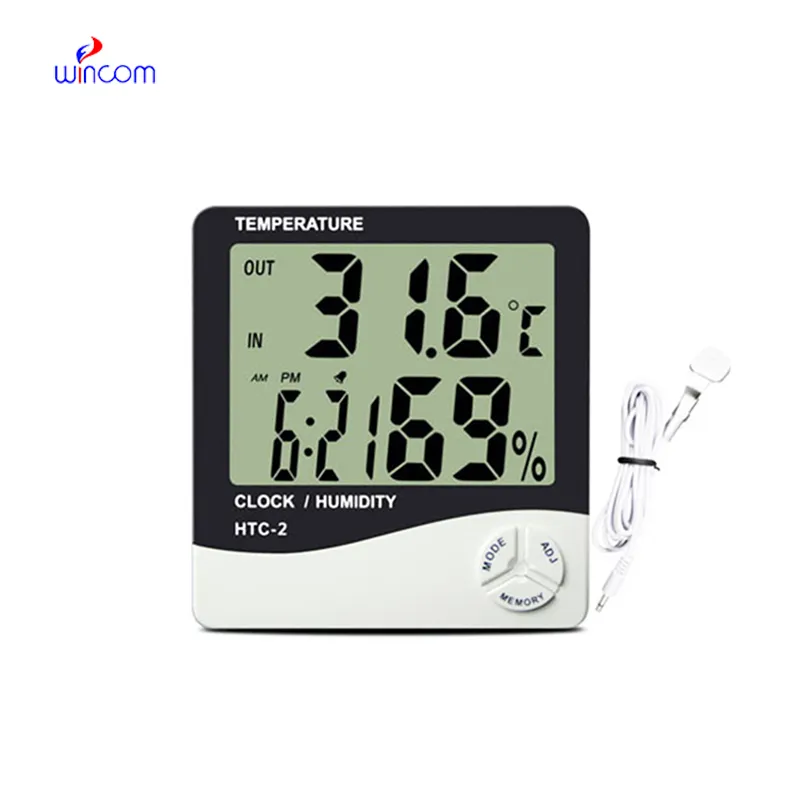
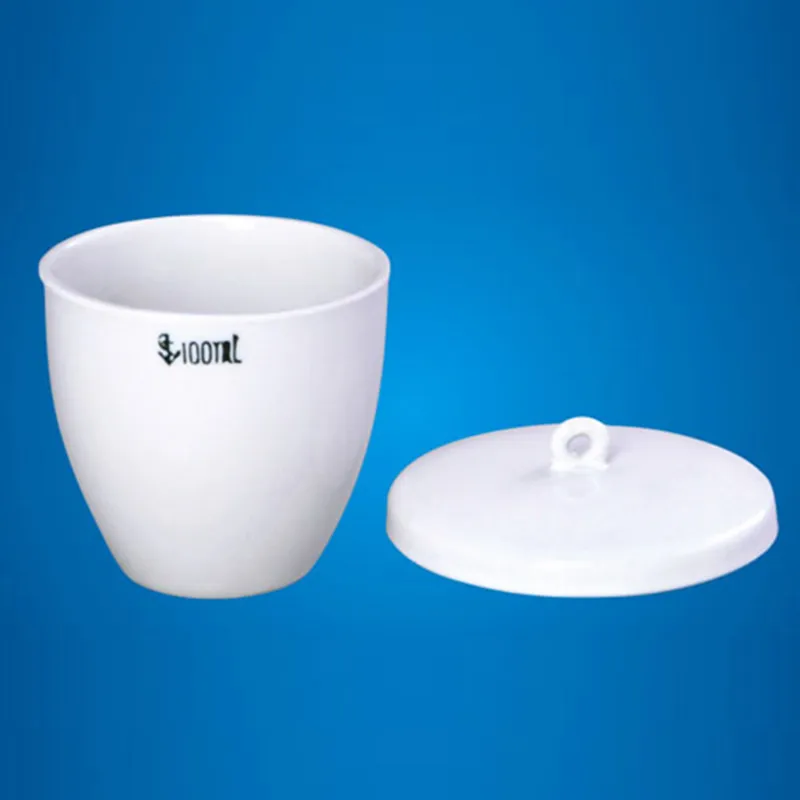
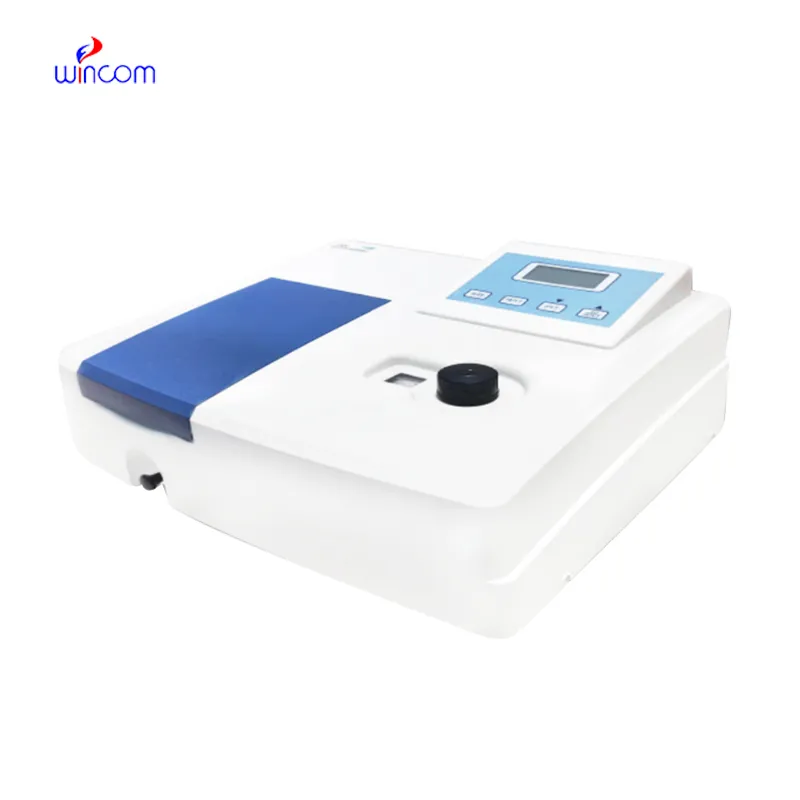
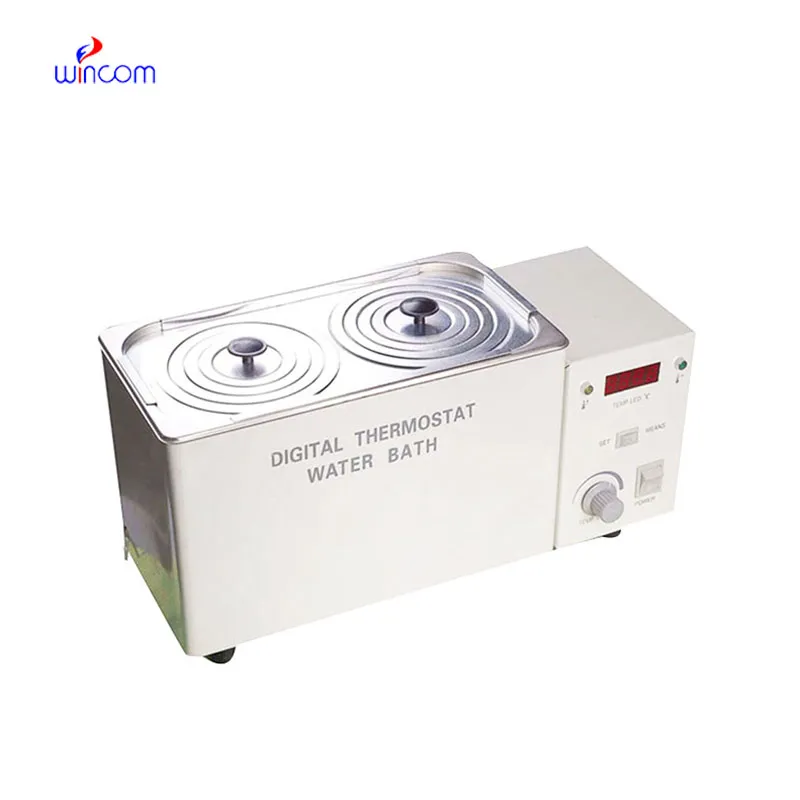
The water bath laboratory uses has cutting-edge temperature control and ergonomic design for consistent laboratory performance. It provides uniform heat distribution to prevent overheating or warping of the sample. The stainless-steel chamber of the water bath laboratory uses is durable and corrosion resistant. Its digital interface provides precise settings, with inbuilt safety features protecting against hot temperatures. The compact design does not sacrifice capacity. With low maintenance requirements and smooth operation, the water bath laboratory uses proves an efficient instrument for scholarly, medical, and research organizations.

The water bath laboratory uses is made for consistent and accurate heating for various laboratory applications. It is used extensively for microbial incubation, DNA extraction, and research in chemical reactions. In material science, the water bath laboratory uses can be used for melting point testing and viscosity alterations under specific conditions. Its consistent heating prevents the deterioration of samples, and its programmatic nature allows researchers to maintain precise environments. The water bath laboratory uses allows reproducible results for research labs and industrial labs that need thermal precision.
Future technology of water bath laboratory uses will be aimed at automation, digital precision, and sustainability. Artificial intelligence system with integration will predict the optimal heating parameters for different applications. Smart sensors will provide real-time temperature balance, and data connectivity will link the water bath laboratory uses to universal laboratory management systems. Additional progress in insulation and material efficiency will conserve power. Future water bath laboratory uses will provide scientists with improved control, increased reproducibility, and improved operation safety in every laboratory environment.
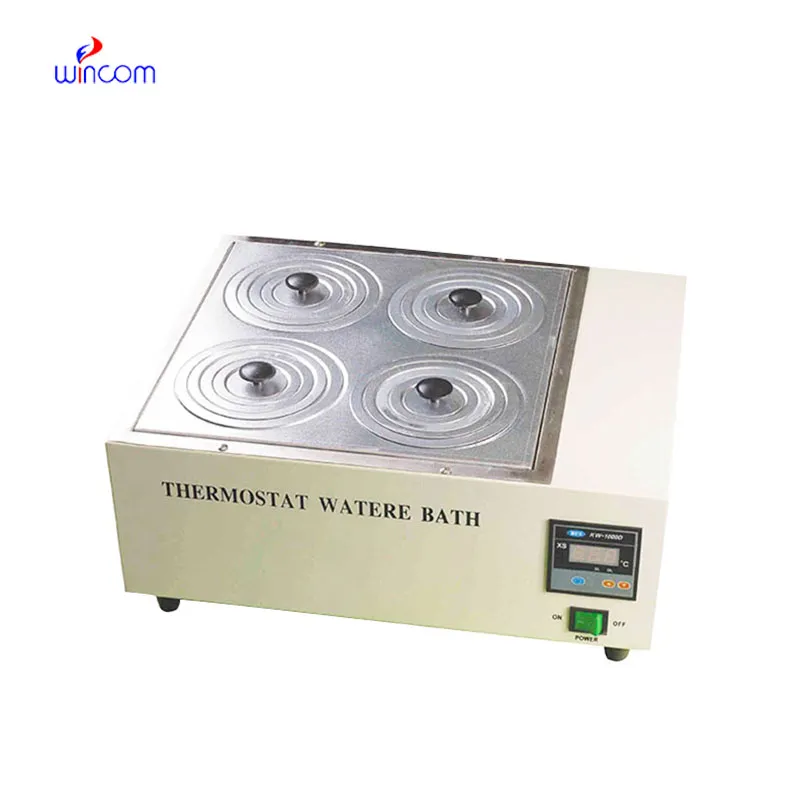
The water bath laboratory uses will perform optimally and endure with good maintenance. Check the water level constantly to avoid overheating and destruction of internal parts. Regular draining and chamber cleaning will avoid deposits or contamination. Use of distilled water avoids residue build-up. The exterior and control panel can be wiped using a soft, damp cloth. Regular inspection of heating elements and temperature sensors ensures efficient operation with accuracy. Store the water bath laboratory uses in a dry environment and it enhances its longevity.
A water bath laboratory uses is an easy way to have constant temperatures for a number of laboratory applications. It possesses a heating element and thermostat to maintain the water at a level chosen by the user. Scientists rely on the water bath laboratory uses for incubation, chemical reaction, and sample heating operations that require accurate temperature control. The gentle circulation of the water prevents hot spots and cold spots from occurring, providing uniform heat transfer. Constructed with a strong outer casing and safety mechanisms, the water bath laboratory uses is a workhorse for routine and specialized lab procedures.
Q: What temperature range can a laboratory water bath typically achieve? A: Most laboratory water baths operate between ambient temperature and approximately 100°C, allowing precise control for a variety of experiments. Q: How does a water bath ensure even heating across samples? A: The circulation of water, either by convection or a built-in stirrer, ensures uniform temperature distribution throughout the chamber. Q: Why should a water bath be calibrated regularly? A: Regular calibration ensures temperature accuracy, preventing errors that could affect the results of sensitive laboratory processes. Q: What materials are commonly used in constructing a water bath? A: High-quality stainless steel is typically used for the inner chamber to resist corrosion and ensure durability under continuous heating. Q: How can overheating be prevented when using a water bath? A: Many modern units feature automatic temperature cutoffs and alarms that activate if the set temperature exceeds safe limits.
The water bath performs consistently and maintains a stable temperature even during long experiments. It’s reliable and easy to operate.
The microscope delivers incredibly sharp images and precise focusing. It’s perfect for both professional lab work and educational use.
To protect the privacy of our buyers, only public service email domains like Gmail, Yahoo, and MSN will be displayed. Additionally, only a limited portion of the inquiry content will be shown.
We are planning to upgrade our imaging department and would like more information on your mri machin...
Could you share the specifications and price for your hospital bed models? We’re looking for adjus...
E-mail: [email protected]
Tel: +86-731-84176622
+86-731-84136655
Address: Rm.1507,Xinsancheng Plaza. No.58, Renmin Road(E),Changsha,Hunan,China


 EN
 af
 es
 ar
 tr
 sw
 pt
 th
 ur
 bn
 ne
 vi
 km
 lo
 de
 ru
 fi
 nl
 fa
 fr
 ko